What Is an Encumbrance? A Guide for CRE Investors
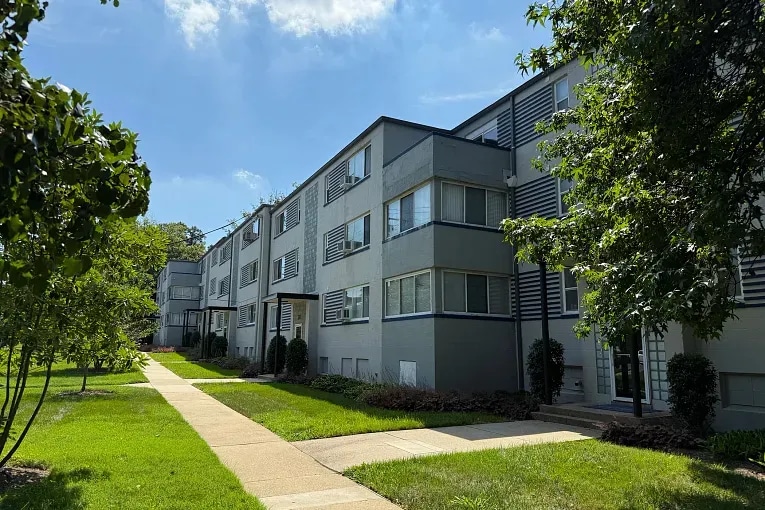
What is an encumbrance in commercial real estate?
An encumbrance is a legal claim, restriction, or liability that limits how a property can be used or transferred, even if the owner still holds title.
It's any third-party interest that rides along with the property. That might be financial, like a deed of trust, mortgage, or tax lien. Or it might be physical or legal, like a utility easement or a restriction in the deed.
In other words, encumbrances are the strings attached to property ownership. Some are temporary, while others are baked into the land and stick around through multiple sales. And depending on the type, they can affect more than just how you use the property. They can limit your financing options, affect how much you can borrow and on what terms, as well as what a lender is willing to put behind the deal.
If you're evaluating commercial real estate for sale, it's essential to identify these limitations early. They may not prevent a transaction, but they can reshape the risk, timeline, or use case entirely.
Encumbrances can dictate how you operate your CRE asset.
When you buy commercial property, you're not just buying the dirt and the structure. You're buying every legal obligation tied to it.
An easement that limits access could derail your site plan. A judgment lien could delay closing. A deed restriction might block the tenant mix you need for income. You can't afford to overlook any of it.
For example, say you're considering a mid-block parcel with what appears to be a clean title. No red flags from the broker, everything looks promising. But a closer read of the deed reveals a decades-old easement giving a telecom company access directly through the site, right where you planned to build a loading dock. That kind of detail can derail a deal overnight.
This is also where investors with sharp due diligence press for a price reduction. A telecom easement cutting through your loading dock footprint is a quantifiable loss, and sellers know it.
This is why smart investors pair a thorough title search with title insurance. Missing just one encumbrance can cost six figures in site redesign, delayed approvals, or legal fees.
What Are the Main Types of Encumbrances in Commercial Real Estate?
The five primary encumbrance types in CRE are liens, easements, restrictive covenants, leases, and encroachments.
Each type limits ownership rights in a different way and has different consequences for title, property use, and exit.
| Encumbrance Type | What It Restricts | Transfers with Ownership? |
|---|---|---|
| Liens | Title and resale | No (must be resolved) |
| Easements | Access and site use | Yes |
| Restrictive Covenants | Use, development, and government zoning overlays | Yes |
| Leases | Operational control | Yes (until expiration) |
| Encroachments | Title clarity and site boundaries | Conditionally, until legally resolved |
Liens
Liens are legal claims used as collateral for unpaid debts, such as mortgages or tax obligations. These must be cleared before a sale can close.
When multiple liens exist on a property, priority order determines who gets paid first. In most cases, tax liens sit near the top of the priority stack and can supersede other claims, including mortgages. Federal tax liens in particular carry significant priority. Mechanic's and judgment liens are generally subordinate to first mortgages, though priority rules vary by state, which is another reason to map the full lien stack with legal counsel before closing. Consult a real estate attorney to map lien priority on any specific asset.
If you're evaluating a distressed or multi-encumbered asset, map the full lien stack before you underwrite, as the payoff sequence directly affects how much, if anything, is left for you at closing.
Easements
Easements are rights granted to others to use a portion of the property for specific purposes,like utility lines or shared driveways. They transfer with the property in most cases, meaning a new owner inherits the same access obligations as the seller.
Restrictive Covenants
Restrictive covenants are deed-based rules that limit how the property can be used, often tied to development or tenant restrictions. Government-imposed zoning overlays function similarly and should be verified during due diligence alongside any deed-based restrictions.
Unlike liens, covenants don't get resolved at closing. They stay with the land indefinitely unless formally extinguished through legal action.
Leases
Leases are active rental agreements that transfer with ownership, impacting operational control and income until expiration. A below-market lease inherited at acquisition can suppress income for years, making lease review a critical part of any CRE purchase.
Encroachments
An encroachment is a physical intrusion across a property boundary, such as a fence, structure, or other improvement built over the lot line.
Encroachments cloud title on both the encroaching and the encumbered parcel. They typically surface during a land survey rather than a standard title search, which means they can go undetected longer than other encumbrance types.
Unresolved encroachments can block title insurance coverage and, in some cases, prevent closing entirely.
How do encumbrances affect property value and marketability?
Encumbrances reduce property value, shrink the buyer pool, and reduce investor confidence.
Buyers want clean, transferable rights. When a property comes with baggage, like unresolved liens, deed restrictions, or usage limitations, it makes properties harder to finance, develop, and sell.
Even common encumbrances like leases or easements can reduce flexibility. That means fewer use cases, longer holding periods, and tighter margins.
If you're trying to sell commercial property, any uncertainty around title or land use makes your deal riskier in a buyer's eyes. Risk equals discount. They'll either walk, or offer 10-20% below your asking price to account for cleanup costs and legal exposure.
Some encumbrances block highest and best use
Your returns are often tied to repositioning potential. But if an easement cuts through your buildable footprint, or a covenant prohibits redevelopment, that limits what's possible.
This is where understanding a property's highest and best use becomes critical. Encumbrances can prevent you from achieving it.
Valuation takes a direct hit
Appraisers factor encumbrances into every commercial property valuation. Liens, restrictions, and access limitations all reduce the net operating potential or increase perceived risk.
For example, a parcel with a clear path to redevelopment might appraise at $1.2 million. Add a restrictive covenant that blocks rezoning, and that number could drop to $950K overnight.
Lenders treat encumbered collateral differently
Most investors think of encumbrances as a title problem, but lenders see them as a collateral problem.
When a property carries unresolved liens or use restrictions, lenders have less confidence in what they could recover if the loan goes sideways. That concern shows up in concrete ways as a lower loan-to-value ratio, additional reserve requirements, or, in more serious cases, outright loan denial.
A property that might qualify for 75% LTV financing on a clean title could see that figure reduced significantly with an unresolved encumbrance attached. The gap depends on the encumbrance type and lender, but it comes out of your pocket at closing either way.
How Do You Uncover Encumbrances Before Purchasing a Property?
Start with a professional title search, layer in a current survey, county tax records, and a direct written inquiry to the seller.
Not all encumbrances are recorded, and the ones that aren't can be the most expensive to resolve, which makes finding them during due diligence crucial to the success of your investment.
Title search and survey
A basic title search shows recorded liens, easements, and restrictions. But hidden encumbrances, like unrecorded encroachments or historical overlays, require deeper investigation.
This is especially true when evaluating land for sale, which may be affected by access easements, conservation agreements, or zoning overlays not visible in standard title reports.
County records, tax maps, and seller disclosure
Review county records, tax maps, and zoning plans. Ask direct questions about encumbrances in writing, and cross-check with a commercial appraisal or updated land survey if anything seems unclear. If you're financing the purchase, your lender will conduct their own title review during underwriting and any encumbrances they flag can affect your loan terms, reduce your borrowing capacity, or stall approval entirely.
And always secure title insurance. It's your last line of defense against claims that don't surface until after closing.
Encumbrances as a negotiating tool
Any encumbrance you uncover during due diligence is also a potential negotiating tool. An easement that reduces buildable area, a lien requiring payoff, or a covenant that limits your tenant mix each represent a quantifiable reduction in value. That number belongs in your offer, not your post-closing regret file.
Create a due diligence checklist that includes anything that could limit your exit strategy or repositioning play, like conservation easements, future road plans, and unpermitted structures.
Review properties in your market as a starting point to apply encumbrance due diligence principles:
Commercial Real Estate For Sale
How Do Encumbrances Affect Your Investment Timeline and Exit Strategy?
Unresolved encumbrances extend your holding period, shrink your buyer pool, and can force you into a lower-price exit.
Identifying unresolved encumbrances early is the most effective way to protect your return. Otherwise you could add six months to more than a year to your holding period. Even if the encumbrance stays in place, buyers will take longer to underwrite and negotiate around it.
Encumbrance Impact Timeline

Exit plans shift, too. You may need to market the asset to cash buyers, value-add developers, or CRE investment groups willing to work around the constraint. Every month added to your hold period by an unresolved encumbrance is a direct cost to your return.
Keep in mind that the leverage cuts both ways. A buyer who discovers an encumbrance during their due diligence on your property now holds the same negotiating power you'd want when you're on the other side of the table. Resolving encumbrances before listing, where cost-effective, protects your asking price and shortens time to close.
As part of your process of investing in commercial property, model two scenarios: one with the encumbrance removed, and one with it still in place. This forces you to build in time, legal cost, and buyer type flexibility up front.
Encumbrances don't always kill deals, but they always change them.
Some encumbrances are deal breakers. Others are manageable with the right strategy. But all of them impact your ability to develop, lease, finance, or sell the asset.
The key is identifying them early. Before you sign a letter of intent. Before you run cost projections. And definitely before you hand over your deposit.
Investors who understand what an encumbrance costs in dollars, time, and use limitations can price that into an offer rather than walking away. That discipline separates deal-makers from deal-breakers.
Frequently Asked Questions
How can I calculate the impact of an encumbrance on property value?
Start by comparing similar unencumbered properties to establish a baseline, then apply a discount based on the type and severity. Easements may warrant a 5-15% reduction or more depending on how significantly they affect site use, while use-limiting covenants can cut deeper. Bring in an appraiser familiar with encumbered assets for anything beyond a straightforward lien payoff. For liens, factor in the full payoff plus any legal costs.
When should an encumbrance stop you from buying a property?
Deal breakers often include unresolved title defects, court-ordered liens that represent a significant portion of the property's value, or use restrictions that block your business plan. Manageable encumbrances include active leases, minor easements, or liens with clear resolution paths. The key is knowing what it will cost to remove or work around it.
What's the best way to resolve encumbrances post-purchase?
Start with liens and legal claims, as they're the fastest to resolve and deliver the biggest lift in value. Tax liens take priority over all other claims and should be addressed first; ignoring them while resolving junior liens leaves your title exposure intact. Next, tackle encroachments or easements through neighbor agreements or legal action. If covenants block value-add plans, consider applying for a zoning variance or working within the restriction.
What is lien priority, and why does it matter when buying an encumbered property?
Lien priority establishes the order in which creditors are paid from sale proceeds or a foreclosure. Tax liens typically sit at the top, mortgage liens follow, with mechanic's and judgment liens typically junior to both. If you're buying a property with multiple liens attached, calculate the full payoff stack before you underwrite. Once senior claims are satisfied, there may be little equity left to work with.
Can I use an encumbrance to negotiate a lower purchase price?
Yes. Any encumbrance that reduces usable area, limits tenant options, requires payoff at closing, or extends your holding period has a calculable cost. That cost is a legitimate basis for a price reduction or seller concession. The key is quantifying the impact before you submit an offer, not after you've already committed to the deal.
