





For Sale
What is Restaurant Property Investing?
Restaurant property investing means buying real estate leased or operated by food-service tenants and earning returns from rent and appreciation. These properties include quick service drive-thrus, casual dining, coffee shops, inline spaces, endcaps, and ghost kitchens.
For beginners, start by defining your target area, reviewing traffic counts and access, and learning key terms like cap rate, DSCR, and rent coverage ratio. Then compare listings using a consistent framework before making an offer.
Why Choose Restaurant Property Investing?
Restaurant properties attract long-term tenants who depend on location for sales, creating stable leases and predictable income. Most leases are structured as triple net (NNN), and many tenants provide corporate or franchise guarantees, adding security for investors.
For small business owners, owning your restaurant site means paying yourself rent instead of a landlord. Near-retirees can focus on ground leases for steady, low-maintenance income. Experienced investors can boost returns by upgrading tenants, adding drive-thrus, or subdividing pads to increase value.
How Does Restaurant Property Investing Build Wealth Over Time?
Lease bumps, percentage rent, credit upgrades, and site improvements all increase net operating income (NOI) which drives property value.
How you approach restaurant property investing shifts depending on your unique goals:
- Learn the fundamentals: start with a second-gen coffee or QSR space. Confirm rent coverage and simple NNN terms. Use moderate leverage.
- Diversify income with limited time: buy your existing site through a sale-leaseback. Set fair rent with fixed annual increases. Maintain a DSCR buffer to protect cash flow.
- Generate low-risk, steady returns: focus on long-term ground leases with at least 10 years remaining and strong traffic counts for steady, low-maintenance income.
- Grow an established individual portfolio: pursue ground leases with potential for re-tenanting, drive-thru conversions, or credit upgrades that can compress cap rates and boost resale value.
- Source deals for institutional portfolios: Focus on stabilized restaurant assets or credit-tenant ground leases with corporate guarantees. Evaluate percentage rent structures, lease duration, and tenant credit ratings to ensure predictable cash flow and align with fund-level risk and return goals.

Getting Started in Restaurant Property Investing
Practical guides to help you understand restaurant property types, evaluate site demand, and choose investment models that align with your goals.
Analyzing & Financing Restaurant Property Investments
Learn how to evaluate restaurant performance, underwrite stable leases, and choose financing options that balance risk, cash flow, and long-term value.
How to Close a Successful Restaurant Property Deal
Step-by-step guidance to help you navigate valuation, due diligence, and acquisition strategy for lasting investment returns.
Owning & Operating Restaurant Properties Successfully
Strategies to increase NOI, strengthen tenant performance, and position your restaurant property for a profitable exit.
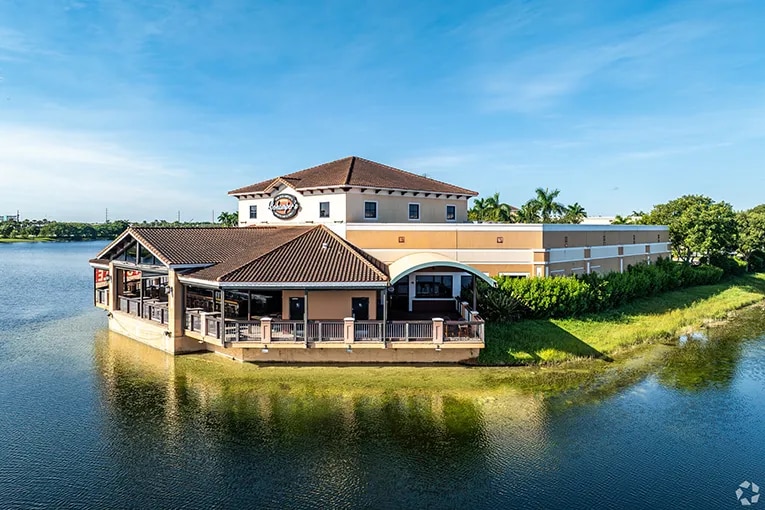
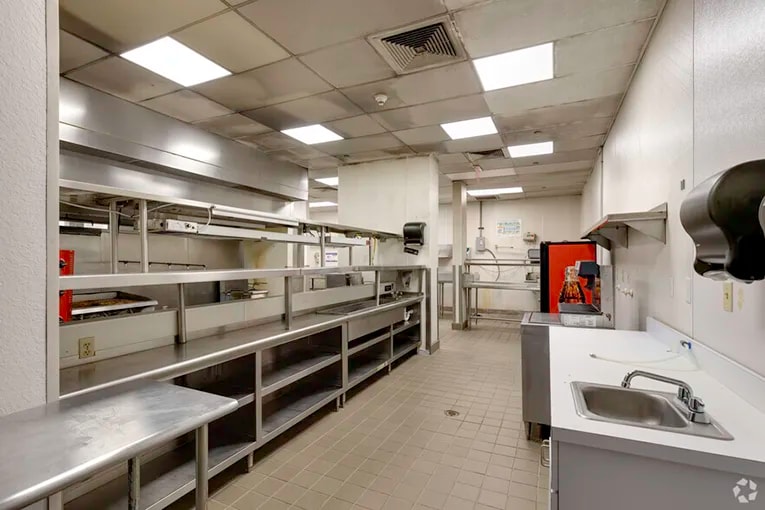
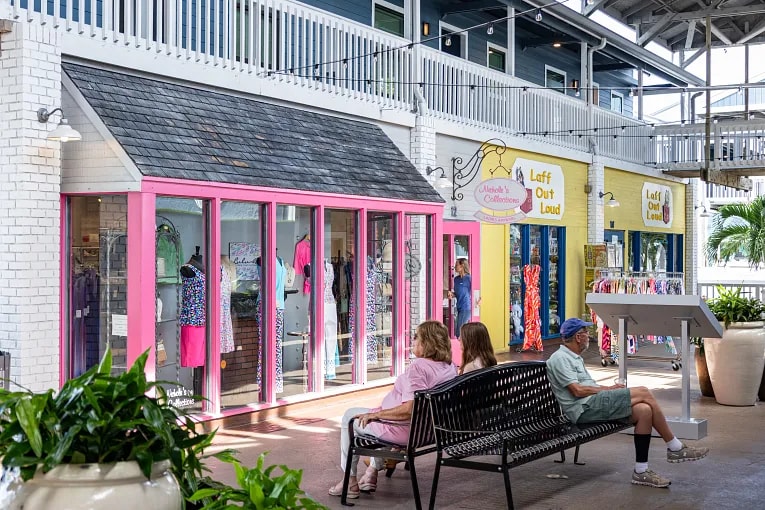
Nearby Restaurant Properties For Sale
Explore restaurant properties currently available in your area. Whether you're looking for a single-tenant fast-food site or a multi-unit dining complex, these listings connect you directly to on-market opportunities suited for both active operators and passive investors.

For Sale




For Sale


Calculate Your Restaurant Investment Returns
View All Real Estate Calculators
What’s the best way for a first-time investor to start with restaurant properties?
Start small and data-driven. Look for a second-generation quick-service or coffee property with an existing tenant. Review rent coverage, lease term, and traffic count before buying. Use calculators for cap rate, NOI, and cash-on-cash return to compare deals consistently.
How can a small business owner buy the property their restaurant operates in?
Use a sale-leaseback or SBA 7(a) loan to finance the purchase. You’ll own the real estate and pay yourself rent, building equity instead of covering a landlord’s mortgage. Set a fair lease rate that maintains healthy cash flow and meets lender DSCR requirements.
What types of restaurant properties are best for near-retirees seeking passive income?
Triple net (NNN) leases with strong franchise or corporate tenants. These leases shift maintenance and taxes to the tenant, leaving investors with predictable income and minimal management. Focus on locations with stable traffic and 10+ years remaining on the term.
How can seasoned investors add value to a restaurant property portfolio?
Target underperforming pads with re-tenanting potential or properties ready for drive-thru additions. Cap rate compression and rent growth come from stronger tenants and higher site utilization. Repositioning or splitting parcels can create additional cash flow and resale upside.
What metrics matter most for institutional acquisitions analysts evaluating restaurant assets?
Focus on NOI growth, unit-level sales, rent coverage ratio, and tenant credit quality. Model both fixed and percentage rent scenarios to test sensitivity. Compare debt yield and cap rate compression across submarkets to benchmark portfolio performance and manage risk exposure.
Restaurant Property Markets
- Houston Restaurants for Sale
- Chicago Restaurants for Sale
- Los Angeles Restaurants for Sale
- Las Vegas Restaurants for Sale
- San Antonio Restaurants for Sale
- Denver Restaurants for Sale
- Oklahoma City Restaurants for Sale
- San Diego Restaurants for Sale
- Portland Restaurants for Sale
- Miami Restaurants for Sale
- Philadelphia Restaurants for Sale
- Indianapolis Restaurants for Sale
- View more
- View less
