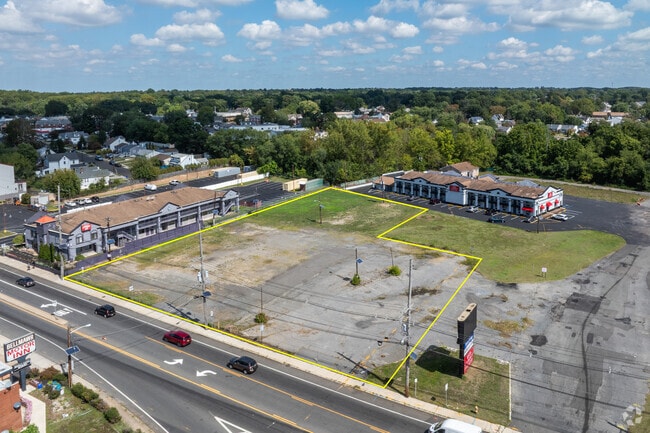
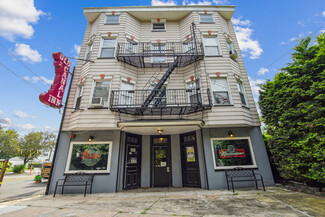



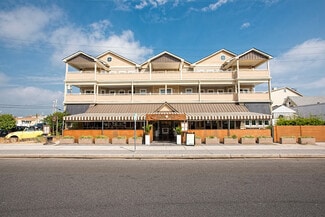





- Hard-corner signalized intersection
- Rare value-add mixed-use in the CBD
- Starting bid $225,000
- Hard-corner signalized intersection
- Rare value-add mixed-use in the CBD
- Starting bid $225,000
WELCOME
Log in to access your VIP LoopNet and CoStar experience.
Enter your email to login or create a free account
We apologize, but the feature you are trying to access is currently unavailable. We are aware of this issue and our team is working hard to resolve the matter.
Please check back in a few minutes. We apologize for the inconvenience.
- LoopNet Team
A pub, also known as a public house, tavern, or alehouse, is a commercial property type that combines a bar and restaurant, offering a social gathering place for customers to enjoy food, drinks, and entertainment. Pubs can be a popular destination for locals and visitors alike, providing a welcoming atmosphere and a range of amenities, including food service, live music, and sports broadcasts.
Pubs can be a good investment due to their potential for steady cash flow and long-term appreciation in value, particularly in areas with a strong demand for social gathering spaces and a loyal customer base.
When buying a pub, consider factors such as the property's location, size, and condition, as well as the existing business's financial performance, customer base, and reputation, to ensure a smooth transition and potential for long-term success.
To operate a pub, you will typically need to obtain licenses and permits related to food service, liquor sales, and entertainment, such as a liquor license, food service permit, and music license, which can vary depending on the jurisdiction and local regulations.
The value of a pub can be determined by considering factors such as the property's value, the existing business's financial performance, and the potential for future growth and development, as well as comparable sales data for similar pubs in the area.
Pub owners may face challenges such as managing cash flow, maintaining a loyal customer base, and complying with changing regulations and licensing requirements, as well as staying competitive in a crowded market and adapting to shifts in consumer preferences and trends.
Removed from Favorites