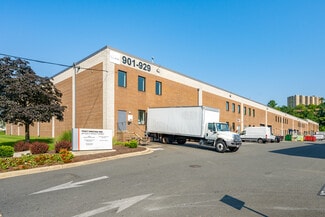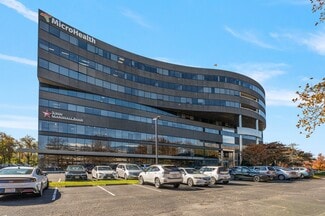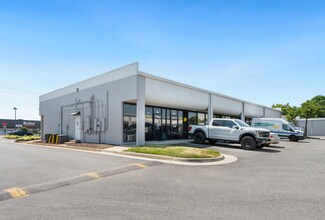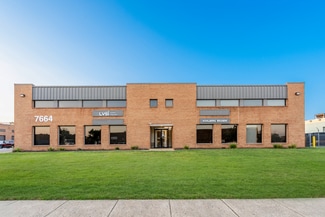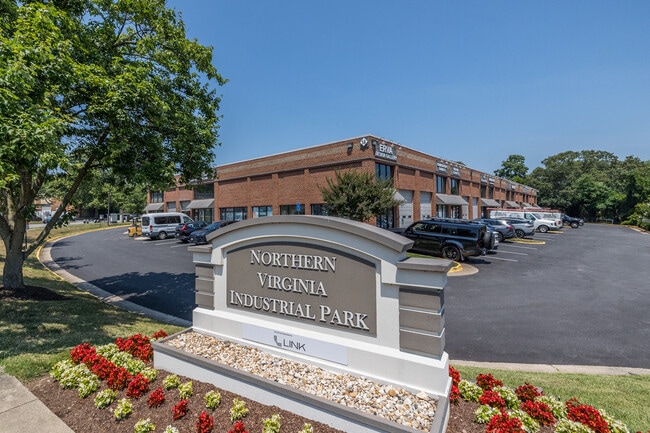
Link Logistics is a U.S.–only logistics real estate platform created by Blackstone in 2019 to own, operate and develop last-mile industrial assets at scale. From its headquarters in New York, the company has grown into one of the largest domestic warehouse operators, focusing on infill distribution properties that shorten delivery times and lower shippers’ cost-to-serve. Link’s portfolio today is exclusively industrial—ranging from small-bay urban warehouses and business parks to large regional distribution centers—with meaningful internal development to modernize and expand high-barrier locations. The platform emphasizes data-driven leasing and power/energy solutions alongside traditional property operations to support increasingly energy-intensive logistics uses.
As of the most recent reported quarter in 2025, Link indicates an operating footprint of ~480 million square feet across 3,000+ properties and a customer base exceeding 8,000, supported by roughly 1,100 employees nationwide. Its market mix is deliberately tilted to demand-dense metros: Southern California represents the single largest exposure (˜16% of SSNOI), followed by Northern California (˜10%) and Atlanta (˜7%). While that positioning captures rent growth from e-commerce and consumption-led distribution, it also implies concentration risk to California policy, power and entitlement environments given the combined ˜26% SSNOI exposure to the state. Link’s top customers reflect a diversified set of blue-chip logistics and retail users; Amazon, FedEx, Home Depot, Walmart, Deutsche Post/DHL, GXO and the United States Government are among the largest contributors by annual base rent, indicating both third-party logistics and direct-to-consumer fulfillment depth.
Strategically, Link prioritizes high-barrier, infill assets near large populations, selective development, and portfolio optimization via acquisitions and dispositions. In recent periods the firm has balanced targeted buys with sales of stabilized assets in fully priced coastal markets, while maintaining leasing velocity and positive cash rent spreads, positioning the portfolio for cycle-resilient cash flow and embedded mark-to-market opportunity.
View More