Your email has been sent.
750 9th St NW
Washington, DC 20001
The Victor Building · Office Property For Lease
·
40,596 SF
Highlights
- Freestanding building that offers efficient floorplates with ample window line, abundant natural light, and iconic Washington, DC views.
- 60K+ SF of top-down availability with multiple expansive private terrace opportunities.
- Spacious, programmed penthouse gardens provide tenants with space to work, relax, and entertain.
- Convenient and amenity-rich location in the core of the East End of Downtown Washington DC with all Metro lines within a two-block radius.
- Recently renovated, modern double-height lobby creates an elevated first impression for tenants and guests.
- Fully equipped, upgraded fitness facility with spa-quality locker rooms offers space for tenants to energize their day.
Property Overview
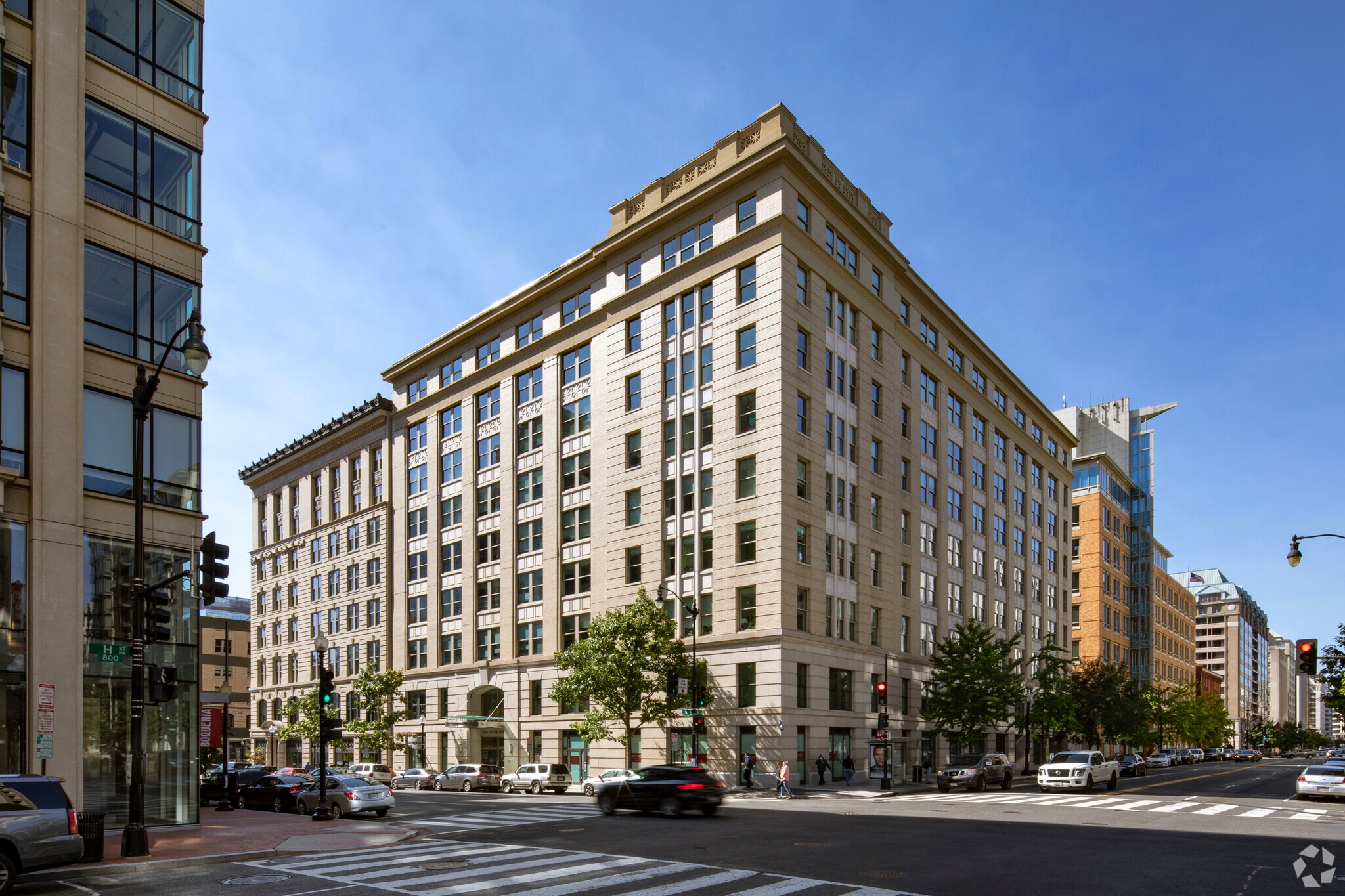
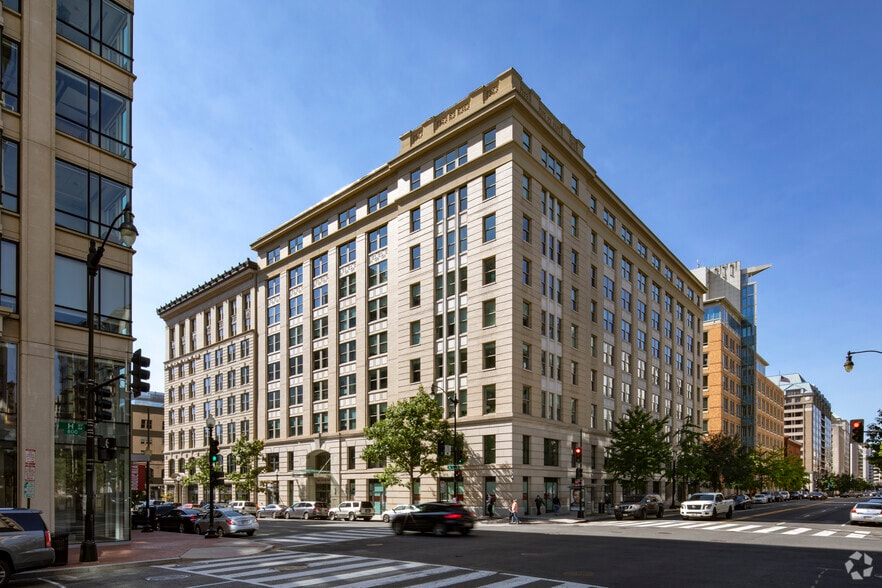
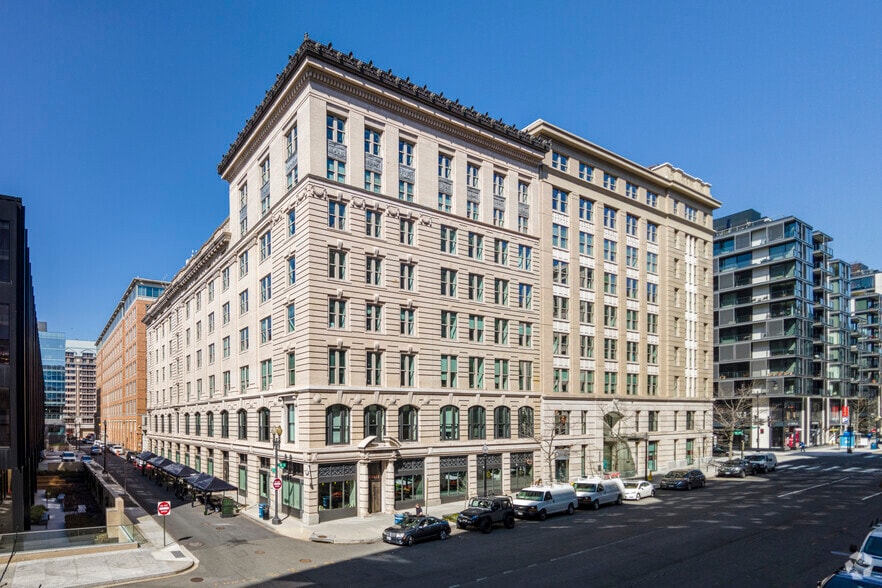
The Victor Building is a nine-story Class A office building located in the East End of Washington, DC. The building borders the Penn Quarter, Chinatown, and Mount Vernon neighborhoods and is surrounded by multiple restaurants, hotels, museums, and other amenities. The building is proximate to public transportation and within a two-block radius of all Metro lines. The building recently underwent a transformative renovation to provide tenants with a full amenity offering and a modernized first impression. The new, double-height lobby creates an elevated entry experience for tenants and guests. The adjoining, flexible conference facility offers a space that tenants can reserve for all meetings, both large and small. The upgraded penthouse offers programmed interior and exterior spaces for entertainment and relaxation. The fitness center includes the latest equipment and technology as well as spa-quality locker rooms with towel service and other amenities. Harrison Street Asset Management provides first-class sponsorship and a commitment to ensuring the building operates at the highest level of standards.
- 24 Hour Access
- Concierge
- Conferencing Facility
- Fitness Center
- Metro/Subway
- Restaurant
- Security System
- Roof Terrace
- Storage Space
- Bicycle Storage
- Central Heating
- Outdoor Seating
- Air Conditioning
- Balcony
Property Facts
Sustainability


Sustainability
LEED Certification Developed by the U.S. Green Building Council (USGBC), the Leadership in Energy and Environmental Design (LEED) is a green building certification program focused on the design, construction, operation, and maintenance of green buildings, homes, and neighborhoods, which aims to help building owners and operators be environmentally responsible and use resources efficiently. LEED certification is a globally recognized symbol of sustainability achievement and leadership. To achieve LEED certification, a project earns points by adhering to prerequisites and credits that address carbon, energy, water, waste, transportation, materials, health and indoor environmental quality. Projects go through a verification and review process and are awarded points that correspond to a level of LEED certification: Platinum (80+ points) Gold (60-79 points) Silver (50-59 points) Certified (40-49 points)
ENERGY STAR® Energy Star is a program run by the U.S. Environmental Protection Agency (EPA) and U.S. Department of Energy (DOE) that promotes energy efficiency and provides simple, credible, and unbiased information that consumers and businesses rely on to make well-informed decisions. Thousands of industrial, commercial, utility, state, and local organizations partner with the EPA to deliver cost-saving energy efficiency solutions that protect the climate while improving air quality and protecting public health. The Energy Star score compares a building’s energy performance to similar buildings nationwide and accounts for differences in operating conditions, regional weather data, and other important considerations. Certification is given on an annual basis, so a building must maintain its high performance to be certified year to year. To be eligible for Energy Star certification, a building must earn a score of 75 or higher on EPA’s 1 – 100 scale, indicating that it performs better than at least 75 percent of similar buildings nationwide. This 1 – 100 Energy Star score is based on the actual, measured energy use of a building and is calculated within EPA’s Energy Star Portfolio Manager tool.