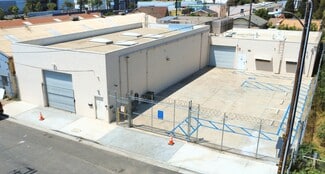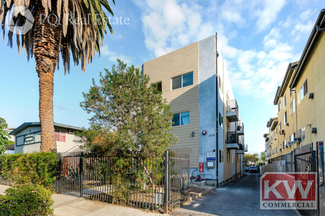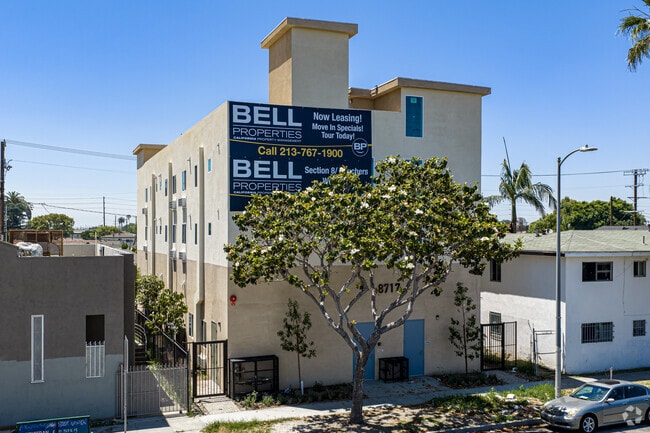
- Proximity to major highways and job centers
- Estimated delivery in Q2 | Immediate upside
- Starting bid $850,000
- Proximity to major highways and job centers
- Estimated delivery in Q2 | Immediate upside
- Starting bid $850,000
WELCOME
Log in to access your VIP LoopNet and CoStar experience.
Enter your email to login or create a free account
We apologize, but the feature you are trying to access is currently unavailable. We are aware of this issue and our team is working hard to resolve the matter.
Please check back in a few minutes. We apologize for the inconvenience.
- LoopNet Team

Owner financed or seller financed commercial properties are real estate assets where the property owner provides financing to the buyer instead of the buyer obtaining a traditional mortgage from a bank or other financial institution. In this arrangement, the seller essentially acts as the lender, allowing the buyer to make payments directly to them over time. This type of financing is also known as seller carryback or owner carryback.
In an owner financed commercial real estate transaction, the seller and buyer agree on terms such as the purchase price, down payment, interest rate, repayment period, and any balloon payment. The buyer typically signs a promissory note outlining these terms and a deed of trust or mortgage securing the property. The seller retains a lien on the property until the full amount is paid. The buyer takes possession of the property and makes regular payments to the seller according to the agreed-upon terms. This arrangement can be customized to fit the needs of both parties, offering flexibility not always available with traditional financing.
Owner financing can be found across various types of commercial properties. These may include retail spaces such as strip malls or standalone stores, office buildings ranging from small professional suites to larger corporate centers, industrial properties like warehouses or manufacturing facilities, and multi-family residential complexes. Additionally, owner financing is sometimes offered for special use properties such as restaurants, hotels, or self-storage facilities. Vacant land zoned for commercial development may also be available with seller financing, particularly in areas where traditional financing for land purchases is challenging to obtain.
Purchasing an owner financed commercial property can offer several advantages to buyers. It often provides an opportunity for those who may not qualify for traditional bank financing due to credit issues or the unique nature of the property. The approval process is typically faster and more flexible than with conventional lenders. Down payment requirements and interest rates can sometimes be negotiated more favorably. Owner financing can also offer creative structuring options, such as interest-only periods or graduated payment schedules. For sellers, offering financing can attract a wider pool of potential buyers, potentially lead to a higher sale price, and provide a steady income stream. Additionally, in some cases, there may be tax advantages for the seller in spreading out the capital gains over time.
While owner financing offers benefits, it also comes with potential risks and challenges. For buyers, interest rates may be higher than those offered by traditional lenders. There's often a balloon payment required at the end of the term, which may necessitate refinancing. If the buyer defaults, they risk losing their investment and the property. For sellers, there's the risk of buyer default, which would require going through foreclosure proceedings. Sellers also tie up a significant portion of their capital in the property, which could limit other investment opportunities. There may be complexities in properly structuring the deal to protect both parties' interests. Additionally, if the property has an existing mortgage, the seller must ensure that offering owner financing doesn't violate their loan terms.
The process of buying an owner financed commercial property differs from a traditional purchase in several ways. Instead of working with a bank's underwriting department, the buyer negotiates terms directly with the seller or through their respective real estate agents. Due diligence is still crucial, but the timeline can often be more flexible. The closing process may be simpler, as there's no need to coordinate with an external lender. However, it's essential to involve legal professionals to properly structure the agreement and ensure all necessary documents are in order. Both parties should clearly understand the terms of the financing agreement, including interest rates, payment schedules, and any balloon payments. It's also important to establish how property taxes and insurance will be handled, as these are typically escrowed in traditional mortgages but may be the buyer's direct responsibility in owner financing arrangements.
When evaluating owner financed commercial properties, investors should consider several key factors. The property's current condition, market value, and potential for appreciation or income generation are crucial. Investors should carefully review the proposed financing terms, including interest rate, loan duration, and any balloon payment requirements. It's important to understand how these terms compare to current market rates and traditional financing options. The seller's motivation for offering financing and their financial stability should be assessed. Investors should also consider their exit strategy, including options for refinancing with a traditional lender in the future. A thorough due diligence process, including property inspections, title searches, and environmental assessments, remains essential. Additionally, investors should evaluate the tax implications of the transaction and consider how the financing structure might impact their overall investment strategy and cash flow projections.
Removed from Favorites