For Sale
Orlando, FL
Commercial Real Estate Market Trends & Data
$693 per SF
Avg asking sale price
$28 per SF
Avg asking lease rate
16,995 SF
Avg unit lease size
25,665 SF
Avg building size for sale
7.01%
Average cap rate
Orlando's Demographic Profile
Orlando has 137,942 households and a median income of $59,951, providing context for rent absorption and tenant demand across retail and multifamily assets. A +4% five-year population trend is a key signal for evaluating long-term demand in this market.
| Key Demographic Metric | Value |
|---|---|
| Population | 333,013 |
| # Households | 137,942 |
| Median age | 37 |
| Median household income | $59,951 |
| Avg household size | 2.0 |
| Renter-occupied housing units | 87,183 |
| 5-year population change | +4% |
{{marketTabHeadings[activeMarketTab]}}
↻ Updated Monthly{{marketTabDescriptions[activeMarketTab]}}
| Nearby Office Markets | Avg Cost/SF | Typical Size | Cap Max |
|---|---|---|---|
| Orlando | $419 | 28,096 SF | 9.64% |
| Oviedo | $323 | 8,707 SF | 7.49% |
| Alafaya | $428 | 5,607 SF | 9.64% |
| Nearby Industrial Markets | Avg Cost/SF | Typical Size | Cap Max |
|---|---|---|---|
| Orlando | $428 | 31,754 SF | 8.64% |
| Oviedo | $296 | 8,186 SF | 7.49% |
| Winter Springs | $226 | 12,241 SF | 6.45% |
| Nearby Retail Markets | Avg Cost/SF | Typical Size |
|---|---|---|
| Orlando | $539 | 22,899 SF |
| Oviedo | $318 | 3,201 SF |
| Alafaya | $784 | 5,904 SF |
| Union Park | $302 | 6,538 SF |
| Winter Springs | $430 | 4,376 SF |
Commercial Properties For Sale in Orlando
The listings below reflect how current market pricing and building scale translate into active opportunities available today.


For Sale
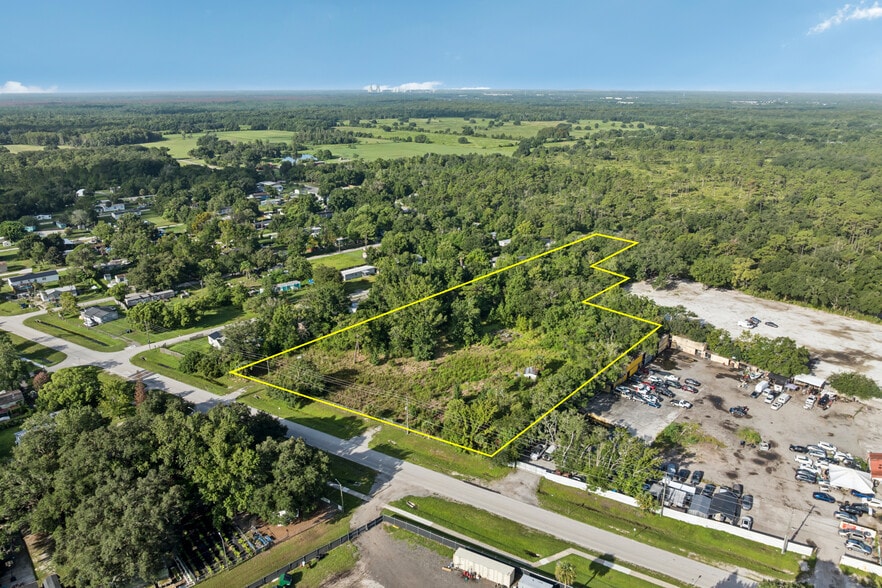
For Sale


Average Price For Sale
↻ Updated MonthlyAverage Price For Lease
↻ Updated MonthlyNumber of Listings
↻ Updated MonthlyCap Rate
↻ Updated MonthlyHow Investors Evaluate Commercial Real Estate Markets



Nearby Commercial Markets
Comparing nearby markets helps investors see whether Orlando pricing and building scale sit above, below, or in line with surrounding areas.
| Commercial Markets | Avg Cost/SF | Average Size |
|---|---|---|
| Orlando | $693 | 25,665 SF |
| Chuluota | $247 | 2,226 SF |
| Oviedo | $441 | 6,383 SF |
| Alafaya | $693 | 5,299 SF |
| Union Park | $711 | 4,896 SF |


Regional Demographic Comparison
This comparison places Orlando alongside nearby cities to show how population size, household counts, and income levels differ across the region. Viewing these markets side by side helps investors understand whether local demand and income characteristics are concentrated in Orlando or distributed across surrounding areas.
| City | Population | # Households | Age | Median Household Income | Avg Household Size | Renter Occupied Housing Units | Five Yr Pop Growth % |
|---|---|---|---|---|---|---|---|
| Orlando | 333,013 | 137,942 | 37 | $59,951 | 2 | 87,183 | 4% |
| Chuluota | 2,669 | 909 | 41 | $90,234 | 3 | 120 | 2% |
| Oviedo | 38,835 | 13,129 | 40 | $101,984 | 3 | 3,568 | 3% |
| Alafaya | 88,056 | 30,279 | 36 | $84,744 | 3 | 12,499 | 1% |
| Union Park | 9,865 | 3,488 | 38 | $65,027 | 3 | 1,442 | 1% |
Disclaimer: The figures on this page reflect LoopNet's active commercial listings in Orlando, FL and update as inventory changes. Averages can shift between periods or vary across property types depending on the mix of listings available at a given time, so individual metrics may not reflect broader market trends. These figures are best used as directional benchmarks for early market evaluation. For comprehensive commercial real estate data and analytics, subscribe to CoStar.
FAQs About Commercial Investing in Orlando
View All Commercial Real Estate For Sale in Orlando
Is Orlando a good market for a first-time commercial real estate investor?
Orlando offers commercial properties across a wide range of sizes and price points. By reviewing the market data and benchmarks on this page, first-time investors can better understand what a typical commercial property looks like before committing capital and narrowing in on specific listings.
How can this market data help me decide whether to buy commercial property for my business in Orlando?
The pricing and size metrics on this page help business owners compare the cost of ownership against leasing in Orlando. Typical building sizes and asking prices provide a starting point for evaluating space needs, budget fit, and long term occupancy costs before engaging lenders or brokers.
What should conservative investors focus on when evaluating commercial properties in Orlando?
Conservative investors often prioritize manageable deal sizes, stable pricing ranges, and cap rate benchmarks shown for Orlando. These metrics help assess whether current market conditions support steady income potential without relying on aggressive assumptions.
How does Orlando compare to nearby commercial real estate markets?
Nearby market comparisons highlight differences in pricing, building scale, and cap rate ranges relative to Orlando. Reviewing these side by side helps experienced investors identify relative value, pricing premiums, or alternative markets that may better align with return targets.
How can this page support early-stage deal screening for Orlando acquisitions?
This page provides high-level benchmarks for pricing, deal size, and observed cap rates in Orlando, which are useful for initial market filtering. Institutional and data-driven investors often use these signals to prioritize listings that meet size, pricing, and return thresholds before deeper underwriting.
Nearby Market Trends
- Lake Mary Market Trends
- Sanford Market Trends
- Winter Park Market Trends
- Maitland Market Trends
- Deland Market Trends
- Altamonte Springs Market Trends
- Casselberry Market Trends
- Apopka Market Trends
- Winter Springs Market Trends
- Cocoa Market Trends
- New Smyrna Beach Market Trends
- Rockledge Market Trends
- Longwood Market Trends
- Saint Cloud Market Trends
- Deltona Market Trends
- Titusville Market Trends
- Fern Park Market Trends
- Edgewater Market Trends
- Pine Hills Market Trends
- Oviedo Market Trends
- Aloma Market Trends
- Debary Market Trends
- Ocoee Market Trends
- Orange City Market Trends
- Merritt Island Market Trends
- Alafaya Market Trends
- Lockhart Market Trends
- View more
- View less
